
Vacuum Casting Services
Silicone-mould copies of your master pattern, 10 to 200 pieces.
 Illustrative image
Service Overview
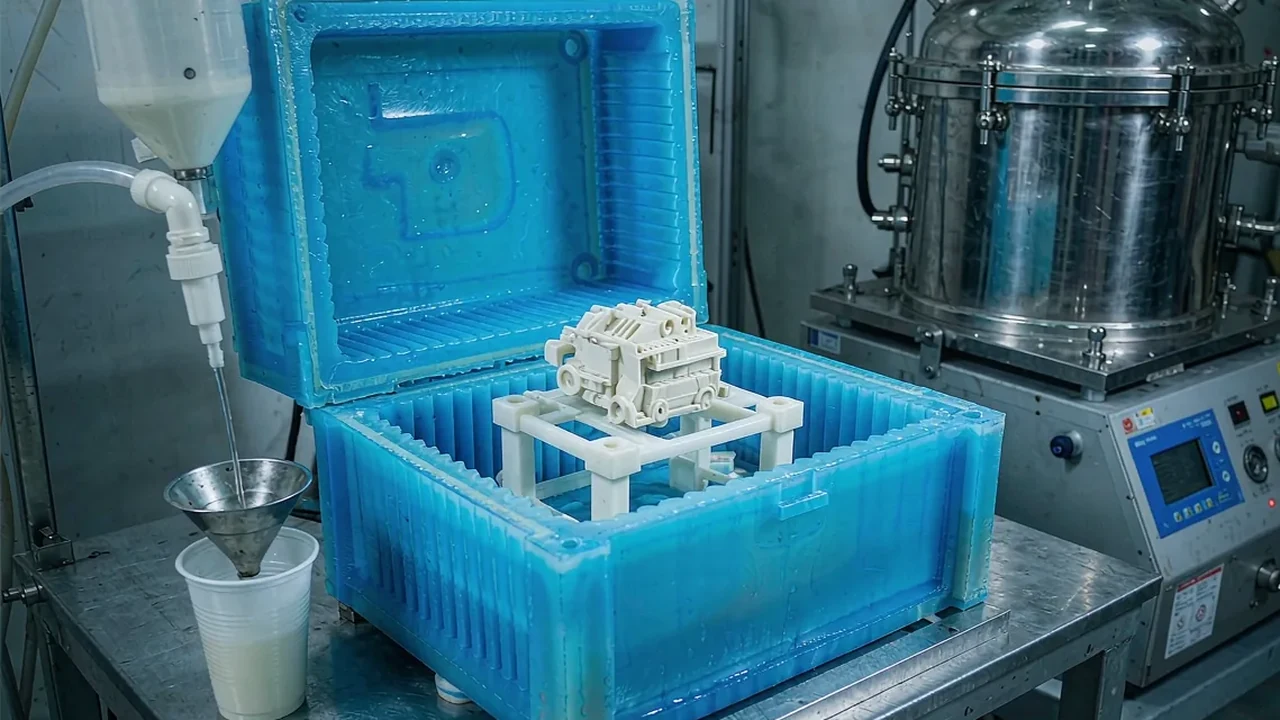
A silicone mould is taken from your master pattern, then parts are cast in a vacuum chamber. It suits the stage after the design is fixed, when you need a batch of identical parts before tooling exists — consistency from piece to piece is better than machining each one separately.
Typical Applications
- Pilot runs before production tooling is made
- Assembly trials and fit checks with real materials
- Colour, texture and transparency samples
- Market samples and buyer review sets
Product Images
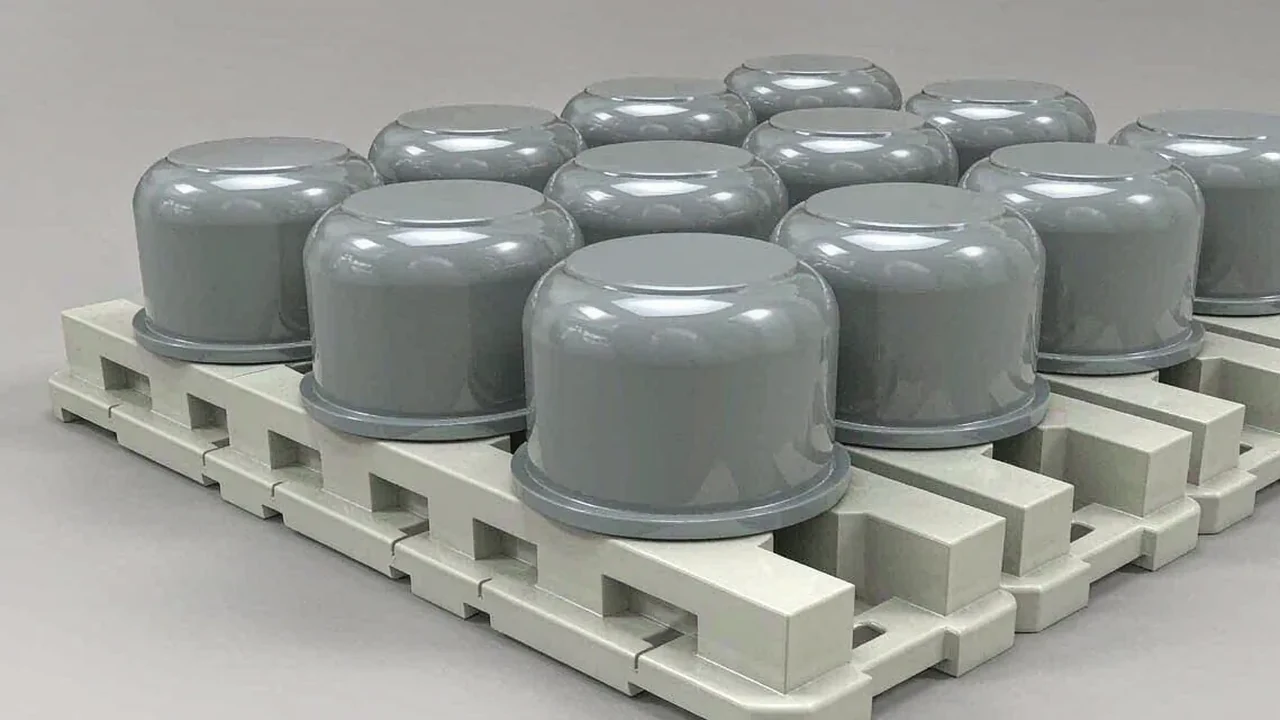
Real production photos replace these concept illustrations as they are supplied.
 Illustrative image
Process Flow
Master pattern
Your CNC or 3D printed master is prepared and finished first.
Silicone mould
A mould is built around the pattern and de-aerated under vacuum.
Casting
Material is mixed, degassed and poured inside the vacuum chamber.
Demould & finish
Parts are released, trimmed, then sanded or painted as agreed.
Materials
- ABS-like polyurethane
- PU — rigid and flexible grades
- Soft rubber-like material [object Object]
- Transparent / clear casting material
Surface Treatment & Finishing
- Sanding (supports, tool marks, layer lines removed)
- Painting and colour matching
- Silk printing and laser engraving
- Bonding and assembly
What To Send For A Quote
Include as much of the following as you can — the more complete the package, the faster and more accurate the quotation.
- 3D model or drawing of the part
- Master pattern source (yours or ours)
- Material and colour
- Quantity and target date
Frequently Asked Questions
When is vacuum casting better than CNC?
What accuracy can I expect?
Can I supply the master pattern?
Send us your drawing and we will come back with a quote
Upload a 3D file, a drawing or even reference photos with dimensions. We review manufacturability before quoting.