
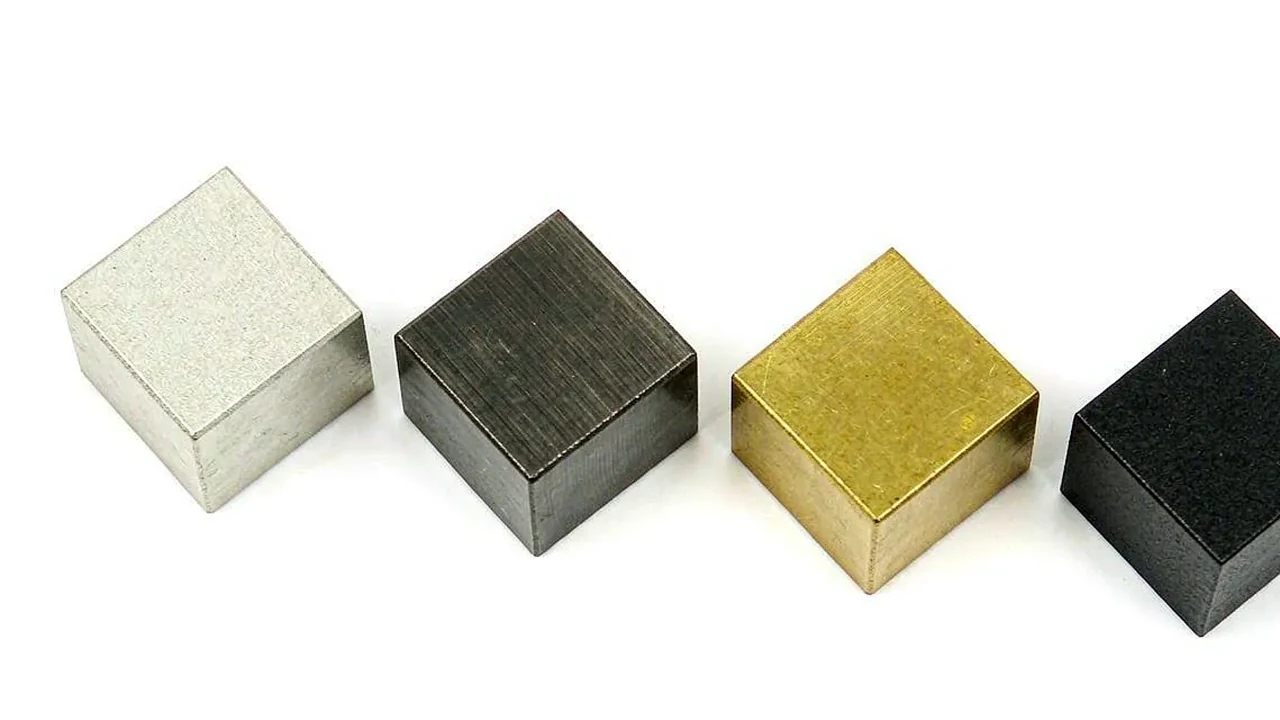
The right prototype material depends on what the prototype has to prove. A model that only needs to be looked at and photographed has different requirements from one that must carry load, flex repeatedly or survive heat.
Start with the question the prototype answers
- Appearance only — any material that finishes well is acceptable.
- Fit and assembly — dimensional stability matters more than strength.
- Functional testing — the material must behave like the production material.
- Environmental testing — heat, UV, chemicals and humidity all matter.
Common prototype materials and where they fit
- Aluminium 6061-T6 — light, machinable, good for functional metal prototypes and brackets.
- ABS — tough, easy to finish and paint; a standard stand-in for injection-moulded housings.
- PMMA (acrylic) — transparent, good for lenses, light guides and display parts; more brittle than PC.
- PC — impact resistant and transparent; used when the part must survive knocks.
- POM — low friction and dimensionally stable; good for gears, slides and bearings.
- Nylon — tough and wear resistant, but absorbs moisture which can change dimensions.
- Resin (SLA) — best surface detail; ideal for appearance models and figures.
When to use the production material
Use it whenever the prototype will be loaded, heated, flexed or expected to last. A prototype in a stand-in material can look perfect and still fail a drop test — which is exactly the result a prototype is supposed to prevent.
When a stand-in is fine
For appearance models, ergonomic checks, photography and investor samples, a cheaper material that finishes to the right colour and gloss saves both time and money.
Summary: If you are unsure, describe the test the prototype has to survive. That description usually identifies the material faster than a datasheet comparison.
Need parts made to your drawing?
Request a quote